

Denver's flood risk, driven by geographical features, demands proactive measures. Key strategies include regular drainage system inspections, gutter clearing, infrastructure upgrades (based on FEMA data), and robust safety protocols. Emergency Flood Restoration Denver offers water extraction, drying, and reconstruction services. For businesses, recommendations include waterproof technology, backup power, elevated storage, evacuation plans, and digital backups for important documents. Swift post-flood action involves structural integrity assessments, initial cleanup, mold prevention, and tailored repairs by professionals utilizing advanced technology. Community collaboration through effective communication channels and partnerships streamlines relief efforts, enhancing neighborhood resilience.
In the face of Denver’s unpredictable weather patterns, flood prevention strategies are paramount to safeguarding communities and infrastructure. Emergency Flood Restoration Denver has become a pressing concern, with historical events underscoring the need for robust solutions. This article delves into best practices designed to mitigate risks and minimize damage. We explore strategic land use planning, effective drainage systems, and advanced warning systems—essential components in Denver’s flood prevention arsenal. By employing these practices, we aim to enhance resilience and ensure a swift recovery during and after such emergencies.
- Understanding Denver's Flood Risk Landscape
- Proactive Measures for Home & Business Safety
- Emergency Preparedness: Planning & Resources
- Post-Flood: Assessment, Cleanup, & Restoration
- Community Collaboration for Effective Prevention
Understanding Denver's Flood Risk Landscape
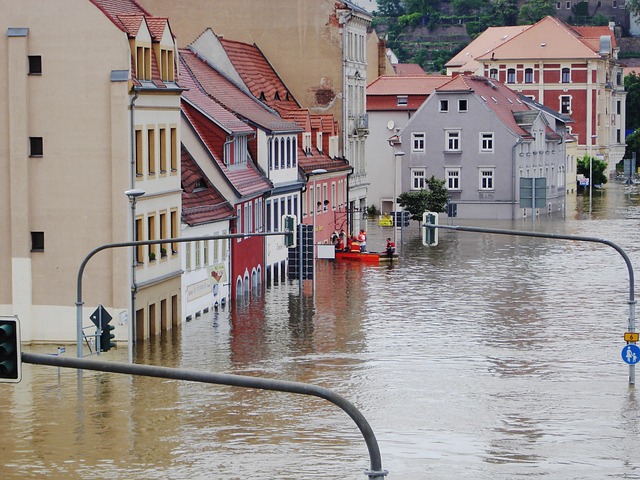
Denver’s flood risk landscape is a complex interplay of geographical features, climate patterns, and urbanization. The city sits in a basin surrounded by mountains, making it vulnerable to heavy rainfall and rapid runoff, which can lead to flash floods. According to the National Weather Service, Denver averages around 20 inches of precipitation annually, with significant snowmelt contributing to springtime flooding events. Recent years have seen intensifying storms, such as the historic floods of 2021, highlighting the urgent need for effective flood prevention and emergency flood restoration Denver residents can rely on.
Understanding these risks is the first step in implementing best practices for flood restoration Denver. Advanced Restoration Colorado, a leading provider in the state, emphasizes the importance of proactive measures. Regularly inspecting and maintaining drainage systems, addressing infrastructure vulnerabilities, and educating communities about safe practices during heavy rainfall are essential components of a comprehensive strategy. For instance, clearing debris from gutters and downspouts prevents clogs that could cause water to overflow, while ensuring curb and gutter systems are functional directs stormwater flow away from buildings.
Data from the Federal Emergency Management Agency (FEMA) indicates that proper flood mitigation can significantly reduce property damage and loss of life. In areas prone to flooding like Denver, proactive strategies like these not only protect homes and businesses but also foster a more resilient community. Following heavy floods, restoring Denver effectively requires specialized equipment and expertise. Advanced Restoration Colorado, with its experienced team, offers 24/7 emergency flood restoration services, including water extraction, drying, and reconstruction, ensuring properties are restored to pre-flood condition as quickly as possible.
Proactive Measures for Home & Business Safety

Denver’s unpredictable weather patterns necessitate proactive flood prevention measures to safeguard homes and businesses. While emergency responses are crucial, preparing in advance significantly enhances survival and recovery capabilities. This involves implementing robust safety protocols, from installing effective drainage systems to securing valuable items. Homeowners should prioritize sealing potential entry points for water, such as windows and doors, and ensure proper insulation to prevent structural damage. Regular maintenance of these systems can be a game-changer during heavy rainfall or snowmelt events.
Businesses operating in flood-prone areas require comprehensive strategies. This includes investing in waterproof technology for essential documents and digital archives, as well as implementing backup power sources to sustain operations during outages. Experts in Denver flood repairs highlight the significance of elevated storage solutions for inventory and supplies to mitigate water damage risks. Additionally, establishing clear evacuation plans and conducting regular drills can ensure employee safety and business continuity.
In the event of a flood, immediate action is vital. Contacting emergency services and fire damage restoration Denver professionals promptly is essential. These experts are trained to handle rapid water extraction, mold prevention, and thorough cleaning, minimizing potential health risks associated with floodwaters. Regular interaction with local authorities and fire departments for updates on flood-readiness protocols is recommended. Property owners should also consider purchasing flood insurance to safeguard their investments, as data indicates that even minor flooding can lead to significant financial losses.
Emergency Preparedness: Planning & Resources

In the face of Denver’s unpredictable weather patterns, emergency flood preparation is an indispensable aspect of home ownership and community safety. The potential for sudden and severe flooding necessitates a proactive approach to mitigate damage and ensure swift recovery. Emergency Flood Restoration Denver stands as a beacon of expertise in this domain, offering insights gleaned from years of experience in navigating the region’s unique challenges.
A robust emergency preparedness plan starts with understanding your property’s vulnerabilities and the potential sources of flooding. This involves assessing drainage systems, identifying low-lying areas prone to water accumulation, and considering historical flood patterns specific to Denver’s microclimates. For instance, sudden flash floods can be triggered by intense thunderstorms, while steady, heavy rainfall over extended periods can overwhelm drainage infrastructure. Advanced Restoration Colorado emphasizes the importance of proactive measures like redirecting downspouts, installing waterproof barriers, and ensuring proper grading to minimize water damage risk.
Beyond physical preparations, Disaster Cleanup and Restoration Denver underscores the critical role of resources and communication. A well-stocked emergency kit containing essential supplies such as flashlights, non-perishable food, and portable radio ensures family safety during evacuation. Furthermore, establishing a clear communication plan—including designated meeting points and out-of-town contacts—is vital for coordinating efforts and aiding in swift reunification. Water Damage Restoration Denver professionals also recommend creating digital backups of important documents and keeping them accessible offline, protecting invaluable memories and legal records from potential water damage.
Post-Flood: Assessment, Cleanup, & Restoration

After a flood strikes Denver, meticulous assessment, swift cleanup, and expert restoration are paramount to mitigate damage and ensure the safety and comfort of homeowners. The first 24–48 hours post-flood are critical. Homeowners should begin by assessing structural integrity, as well as the extent of water intrusion and potential contaminants like mold, which can pose health risks. Professional advice is crucial here; expert assessment ensures a thorough understanding of the situation and guides subsequent actions.
Diligently restoring flooded homes in Denver involves multiple steps. Initial cleanup includes removing standing water and drying out affected areas promptly to prevent long-term damage from moisture. This often requires specialized equipment, such as dehumidifiers and air movers, to expedite the process. Once dried, a thorough inspection is conducted to identify damaged components—from drywall and flooring to electrical systems and plumbing. Repairs are then prioritized based on urgency and extent of damage.
The expertise in Denver flood restoration and repair is vital for effective post-flood recovery. Professional restorers not only possess specialized knowledge but also access advanced technology, ensuring thorough cleanup and efficient repairs. They understand the unique challenges posed by Colorado’s climate and geological conditions, tailoring solutions to prevent recurring issues. For instance, restoring homes to their pre-flood condition involves sealing against future moisture intrusion, protecting against potential future floods. Regular maintenance and inspections can further fortify these measures, emphasizing ongoing Denver emergency flood restoration and proactive flood preparedness.
Community Collaboration for Effective Prevention
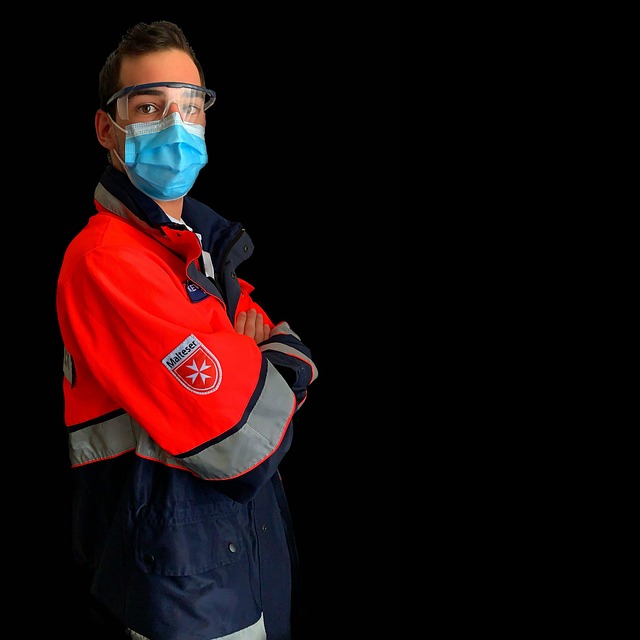
Community collaboration plays a pivotal role in effective Denver flood prevention strategies. When faced with the challenges of protecting homes and communities from flooding, a unified front is essential. Encouraging residents to actively participate in preparation, awareness, and response efforts can significantly mitigate the devastating impacts of floods. Expert advice on Denver flood preparedness emphasizes that no single entity can combat this natural disaster alone; it requires a collective commitment.
One practical approach involves establishing robust communication channels. Utilizing technology, such as community alert systems and social media groups, enables rapid dissemination of critical information during emergencies. For instance, residents can receive real-time updates on water levels, evacuation routes, and the availability of Emergency Flood Restoration Denver services. This proactive engagement empowers folks to make informed decisions, ensuring they are prepared when the next flood strikes.
Moreover, fostering partnerships between local authorities, emergency services, and volunteer organizations is vital. These collaborations facilitate efficient emergency water extraction in Denver by coordinating resources and expertise. Following a major flooding event, diligently restoring flooded homes in Denver becomes more manageable with a structured community response. By pooling efforts, these collaborative networks can provide faster relief, reduce damage, and aid in the recovery process, ensuring that neighborhoods bounce back stronger each time.
By understanding Denver’s unique flood risk landscape, implementing proactive safety measures for homes and businesses, and prioritizing emergency preparedness, residents can significantly mitigate potential disasters. The article highlights the importance of community collaboration in developing effective prevention strategies. Additionally, a robust plan for post-flood assessment, cleanup, and restoration, including the role of Emergency Flood Restoration Denver professionals, is crucial to ensure swift recovery and minimal disruption. Key takeaways emphasize the need for preparedness, proactive measures, and a coordinated community response to protect against and manage flood events effectively. These practices empower individuals and communities to face Denver’s flood risks with confidence and resilience.