

Denver's geography makes it vulnerable to heavy rains and flooding, with flash flood events increasing over a decade. Emergency Flood Restoration Denver is crucial for mitigating damage and ensuring safety. Key steps include swift action within 48 hours: assess flooding, extract water, dry property, document damage, and turn off electricity. Professionals use advanced equipment, dehumidifiers, and drying techniques to prevent mold growth and structural damage. Long-term strategies involve infrastructure improvements, foundation reinforcement, early detection systems, regular inspections, and maintenance checks to better protect homes from future flooding impacts.
In the face of Denver’s unpredictable weather patterns, emergency flood restoration has emerged as a critical service for homeowners and businesses alike. Heavy rains can swiftly turn into catastrophic flooding, leaving behind substantial damage that requires prompt and professional attention. This is where our team of expert Denver flood restoration specialists steps in. With years of experience navigating the region’s unique challenges, we offer unparalleled expertise in mitigating water damage and restoring properties to their pre-loss condition. In this article, we delve into the intricacies of emergency flood restoration in Denver, providing valuable insights that underscore the importance of swift action in such dire circumstances.
- Understanding Denver's Flood Risks After Heavy Rains
- Immediate Steps for Emergency Flood Restoration Denver
- Assessing Damage: A Critical Process in Flood Restoration
- Water Extraction and Drying Techniques for Efficient Restoration
- Restoring Your Home: Expert Tips for a Successful Comeback
- Preventing Future Floods: Long-Term Solutions for Denver Residents
Understanding Denver's Flood Risks After Heavy Rains
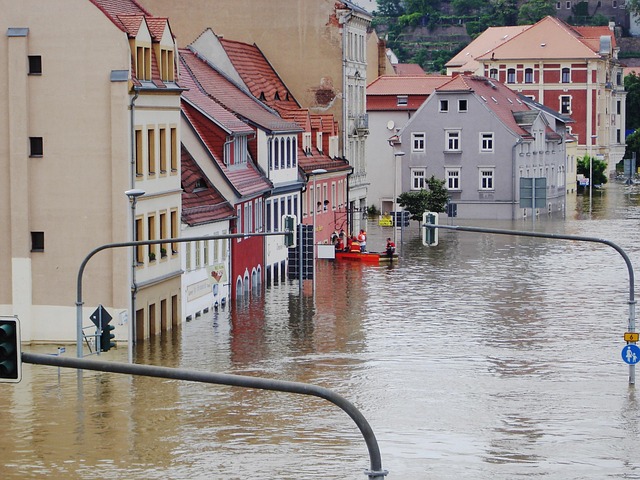
Denver, with its scenic beauty and diverse landscapes, is paradigmatically situated to experience sporadic heavy rains and subsequent flooding. Understanding these risks is paramount for any resident or business owner in the area. The city’s unique geographical features, characterized by undulating hills and close proximity to major rivers, create a complex drainage system that can quickly become overwhelmed during intense storms. According to the National Weather Service, Denver has seen significant flash flooding events with increasing frequency over the past decade, underscoring the urgency of preparedness and swift response.
Emergency Flood Restoration Denver is not merely a service but a critical strategy for mitigating damage and ensuring safety. Heavy rains can transform from nuisance to catastrophe in hours, leading to water infiltration, structural damage, and even hazardous mold growth. Biohazard cleanup Denver becomes essential when standing water breeds bacteria and poses health risks. Efficient emergency water extraction Denver is the first step in any effective restoration process, aiming to minimize moisture levels and prevent long-term complications. Commercial Restoration Denver businesses, especially those in low-lying areas or near rivers, must invest in robust flood preparedness plans that include regular facility inspections, emergency contact lists, and immediate evacuation procedures for employees and valuable assets.
While nature’s forces are unpredictable, proactive measures can significantly reduce the impact of heavy rains. This includes maintaining adequate drainage systems, ensuring proper flooding barriers are in place, and regularly reviewing and updating disaster response protocols. For businesses, this may involve investing in advanced water extraction equipment or partnering with specialized Denver flood restoration companies who offer efficient, expert services to restore not just physical structures but also peace of mind.
Immediate Steps for Emergency Flood Restoration Denver
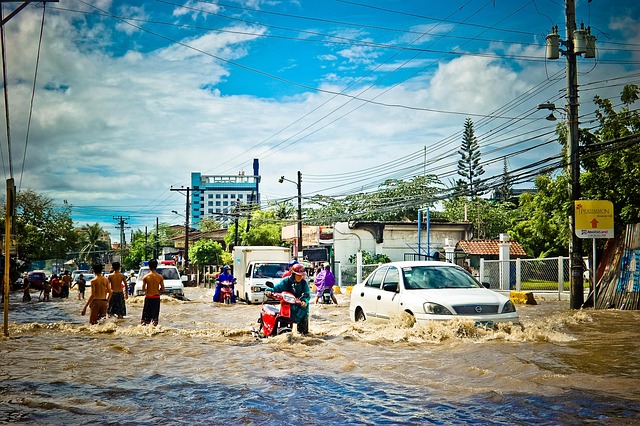
When heavy rains hit Denver, emergency flood restoration becomes a top priority for residents and businesses alike. The initial steps in denver flood restoration are critical to minimizing damage and preventing further complications. A comprehensive guide on denver water damage restoration emphasizes the need for immediate action, as every hour counts in mitigating losses. According to recent data, swift response within 48 hours can significantly reduce the scope of repair needed, saving both time and money.
The first step is always a thorough assessment by seasoned denver flood recovery specialists. They will inspect the extent of water intrusion, identify affected areas, and determine the source of flooding. This critical phase ensures that every aspect of the restoration process is tailored to the specific needs of the property. For instance, a basement flood may require specialized equipment for drying out porous materials like wood and drywall, while a first-floor leak might focus on extracting water from carpets and padding.
Once assessment is complete, professionals can implement effective strategies for emergency flood restoration. This includes setting up dehumidifiers to dry out damp areas, using high-powered pumps to remove standing water, and employing advanced technology for mold prevention. The goal is to not just stop the flooding but also to prevent long-term issues like structural damage, mold growth, and health risks associated with water-damaged environments. By prioritizing immediate action in denver water damage restoration, residents can ensure their homes or businesses return to pre-flood condition swiftly and safely.
Assessing Damage: A Critical Process in Flood Restoration

Assessing flood damage is a critical initial step in any Denver flood restoration process. It’s more than just identifying visible water levels; it involves meticulously examining the entire property to understand the scope of the disaster and devise an effective repair strategy. This meticulous evaluation, conducted by seasoned professionals with expertise in Denver flood restoration, is key to minimizing further damage and ensuring a successful recovery.
Specialized tools and knowledge are required for accurate Denver flood damage assessment and repair. Water sensors, moisture meters, and thermal imaging cameras help uncover hidden water sources and identify areas affected beyond the surface. Experts also consider factors like the source of the floodwater (e.g., sewage, storm runoff), the duration of immersion, and the type of materials damaged to determine the best course of action. For instance, treating wooden structures differently than concrete or drywall is essential to prevent long-term structural damage and mold growth.
Beyond visual inspections, Denver flood insurance claims assistance plays a vital role in this phase. Policyholders can rely on restoration professionals to guide them through the claim process, ensuring they receive adequate compensation for documented losses. This includes providing detailed reports outlining the assessed damages, which serve as crucial documentation during the repair and rebuilding phases. Early, thorough assessment not only facilitates faster insurance claims but also enables homeowners to make informed decisions about their next steps in emergency flood restoration Denver residents can trust.
Water Extraction and Drying Techniques for Efficient Restoration

After heavy rains deluge Denver, swift and effective water extraction and drying techniques are essential for efficient flood restoration. Emergency Flood Restoration Denver specialists emphasize that immediate action is critical to mitigating damage and restoring peace of mind. The primary goal is to remove standing water as quickly as possible to prevent mold growth and structural decay, ensuring the safety and comfort of residents.
Professionals employ advanced equipment like powerful pumps and high-capacity vacuums to extract water from flooded areas, including basements, attics, and crawl spaces. They also utilize specialized drying techniques such as air movement systems, dehumidifiers, and heat sources to accelerate the evaporation process. For instance, industrial fans can circulate dry air throughout damp spaces, while dehumidifiers pull moisture out of the air, reducing humidity levels effectively.
Restoring Denver homes after floods isn’t just about removing water; it’s about restoring safety and sanity. As professionals navigate the cleanup process, they prioritize safety first, especially in situations where electrical hazards or structural instability exist. Regularly monitoring moisture levels and using reliable equipment are key to a successful recovery. By following these expert guidelines, Denver residents can ensure their homes return to pre-flood conditions, fostering a sense of security and comfort after a challenging event.
Restoring Your Home: Expert Tips for a Successful Comeback

After heavy rains or flash floods, Denver residents often face the daunting task of restoring their homes. Expert emergency flood restoration Denver is crucial for minimizing damage and preventing long-term issues like mold growth. The first step in the process is to act fast—the quicker you begin Denver flood response, the better the outcome. Turn off electricity at the main breaker and avoid entering flooded areas until it’s safe to do so. Document damage with photographs for insurance claims and begin salvaging belongings as soon as possible.
Professional teams in emergency flood restoration Denver have proven strategies for effective recovery. They start by extracting water using advanced equipment, ensuring all visible water is removed. Next, they employ specialized drying techniques to prevent mold formation. Dehumidifiers, air movers, and thermal generators are commonly used tools in the Denver flood response arsenal. These methods not only dry out the space but also help control humidity levels crucial for preventing mold growth.
Once the area is dried, professionals assess structural integrity and begin the restoration process. This can involve everything from replacing drywall and flooring to rebuilding affected walls and ceilings. It’s important to remember that mold removal Denver services are a critical component of emergency flood restoration. Proactive measures like these ensure not only the safety and health of residents but also protect their homes’ value and longevity. Data suggests that prompt action within 48 hours of flooding significantly reduces the risk of extensive damage and costly repairs due to mold.
Preventing Future Floods: Long-Term Solutions for Denver Residents

After heavy rains and flooding events, many Denver residents are left with significant water damage and concerns about future risks. While emergency flood restoration in Denver is a critical initial step, preventing recurring floods requires comprehensive, long-term solutions. The expertise in Denver flood restoration and repair lies not just in mitigating immediate water damage but also in understanding the underlying causes of flooding to implement effective prevention strategies. According to recent studies, annual rainfall in the region has been increasing, exacerbating the potential for severe flooding events.
One of the primary steps in preventing future floods is addressing infrastructure improvements. This includes enhancing drainage systems and ensuring they are adequately maintained to handle heavier rainfall. Additionally, property owners should consider raising or reinforcing their homes’ foundations, especially in areas prone to flash flooding. Early detection systems, such as weather-responsive flood warnings, can also provide residents with vital time to prepare and take preventive measures.
Prompt action after a flood is crucial, too. Denver water damage restoration experts emphasize the importance of immediate drying and dehumidification to prevent mold growth. Mold removal in Denver is a specialized service that should be left to professionals due to its potential health risks. Once the immediate crisis has passed, thorough inspections can help identify weak spots or vulnerabilities in buildings, enabling targeted repairs and reinforcement. Regular maintenance checks, especially for older structures, can significantly reduce the likelihood of future water damage. By combining these short-term and long-term strategies, Denver residents can better protect their homes and communities from the devastating impacts of flooding.
After heavy rains, Denver residents face unique challenges posed by flash floods. This article equipped readers with essential knowledge for navigating Emergency Flood Restoration Denver. Key takeaways include understanding local flood risks, taking immediate steps post-flood, assessing damage meticulously, employing effective water extraction and drying techniques, restoring homes with expert tips, and preventing future floods through long-term solutions. By mastering these processes, Denver residents can ensure swift recovery, minimize property loss, and fortify their homes against future disasters, underscoring the article’s authority as a comprehensive guide for Emergency Flood Restoration Denver.