

Denver's vulnerability to flooding, driven by geographical location and urban development, necessitates proactive measures. Historical data analysis guides targeted preparedness. Emergency Flood Restoration Denver services are vital for damage mitigation and cleanup. Key strategies include enhancing drainage, installing physical barriers, and prompt post-event inspection. Swift action reduces damage extent and expedites insurance processes, with mold prevention through quick drying. Emergency Flood Restoration Denver professionals follow strict protocols for comprehensive flood recovery.
Denver, with its vibrant landscape and unique terrain, faces the perennial challenge of flood prevention, a critical aspect of emergency preparedness. Frequent heavy rainfall and changing climate patterns exacerbate the risk, making effective strategies imperative for residents and businesses alike. This article delves into the best practices for Denver flood prevention, offering comprehensive insights into proactive measures and emergency response techniques. By exploring evidence-based solutions, we aim to equip readers with the knowledge to safeguard their properties from potential water damage, emphasizing the vital role of swift action during Emergency Flood Restoration Denver situations.
- Understanding Denver's Flood Risks and Patterns
- Implementing Proactive Measures for Flood Prevention
- Efficient Emergency Flood Restoration Denver Tactics
Understanding Denver's Flood Risks and Patterns
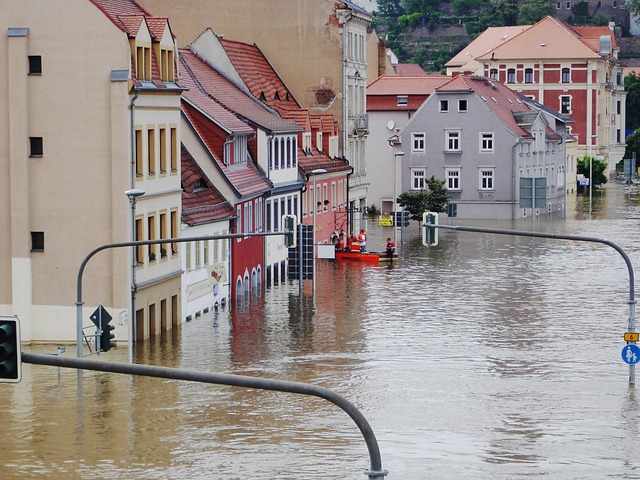
Understanding Denver’s Flood Risks and Patterns is a crucial step in effective flood prevention. Located near the Rocky Mountains, Denver experiences diverse weather patterns, including heavy rainfall and rapid snowmelt, which can lead to flash floods. According to data from the National Weather Service, Colorado ranks among the top states for severe flooding events, underscoring the city’s inherent vulnerability. Historical records show that Denver has faced significant flooding episodes, such as the 2013 flood, which caused extensive damage and prompted Emergency Flood Restoration Denver services across the metro area.
Recognizing these risks, Denver residents and professionals must stay informed about local flood patterns. Spring and early summer are particularly dangerous periods due to snowmelt and sudden storms. Moreover, urban development has altered natural drainage systems, increasing the likelihood of sewer backups and street flooding. Analyzing historical data can help predict high-risk areas, enabling targeted preparedness measures. For instance, identifying low-lying neighborhoods prone to rapid water accumulation allows for better resource allocation during emergency response, ensuring more efficient 24/7 professional flood cleanup Denver services.
Flood recovery tips for Denver residents include creating an emergency kit with essential supplies and documenting valuable possessions. Regularly updating insurance policies to cover flooding is critical, as it ensures access to financial support for necessary repairs, including Roof Restoration Denver, following a disaster. Additionally, implementing simple preventive measures like ensuring downspouts direct water away from foundations and maintaining clear drainage paths around homes can significantly reduce potential damage. By understanding Denver’s unique flood risks and taking proactive steps, residents can better protect their properties and communities during these challenging events.
Implementing Proactive Measures for Flood Prevention
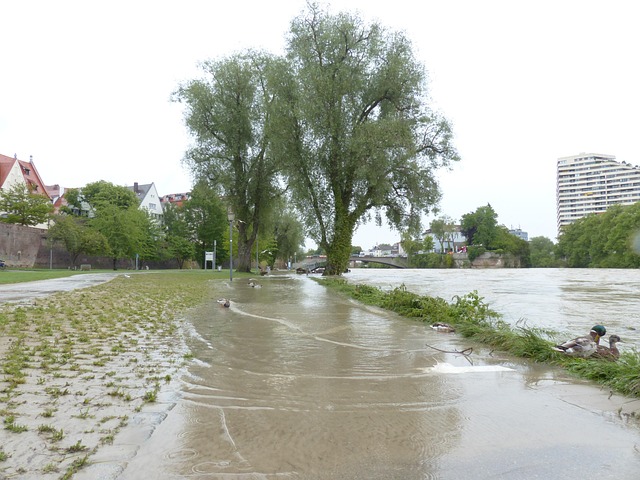
In the face of Denver’s sporadic yet intense rainfall events, proactive flood prevention measures are paramount to safeguarding properties and minimizing disruption. While emergency response is crucial for handling immediate aftermath, proactive strategies play a vital role in reducing damage potential and simplifying subsequent insurance claims and repairs, such as those offered by Emergency Flood Restoration Denver. By integrating these steps into your home or business’s flood preparedness plan, you can limit water intrusion, minimize structural damage, and mitigate health risks associated with both flooding and the subsequent cleanup process.
One key proactive measure involves enhancing drainage systems around your property. This includes clearing debris from gutters and downspouts to ensure optimal water flow, installing proper storm drain connections, and considering raised beds or retaining walls to divert surface water away from buildings. Regular inspection and maintenance of these systems are essential, especially after significant weather events. For instance, a study by the City of Denver found that properties with well-maintained drainage systems suffered less water intrusion during heavy rainstorms compared to those with blocked or inefficient drainage.
Additionally, implementing physical barriers like flood doors, sump pumps, and waterproof seals around windows and doors can significantly delay water entry into buildings. These measures are especially effective in low-lying areas prone to flash flooding. After a Denver flood, professional 24/7 flood cleanup Denver services are invaluable for addressing the aftermath. However, by proactively preventing water intrusion, you can reduce the extent of damage, lessen the need for extensive remediation, and expedite insurance handling processes. Preventing mold growth is another critical aspect; promptly drying affected areas within 24-48 hours after a flood significantly reduces the risk of mold infestations, which can pose severe health issues and necessitate costly remediation.
Efficient Emergency Flood Restoration Denver Tactics

In the face of Denver’s unpredictable weather patterns, Emergency Flood Restoration Denver has become a critical aspect of community resilience. When floods strike, immediate and effective action is essential to mitigate damage and restore peace of mind. The process involves a multifaceted approach, from water extraction to mold removal Denver, ensuring that homes and businesses are restored to their pre-flood condition as swiftly as possible.
Professions in Emergency Flood Restoration Denver adhere to strict protocols. The initial step is to contain the water source and prevent further ingress. This may involve shutting off electrical power to affected areas and using specialized equipment to pump out standing water quickly, minimizing structural damage. Following this, a thorough inspection for hidden moisture and potential mold growth is conducted. Mold removal Denver is a critical component of flood restoration as it addresses health risks and prevents long-term damage to properties. Data from local authorities suggests that prompt action within 24-48 hours of flooding can significantly reduce the risk of mold development.
Restoring peace of mind after floods Denver requires comprehensive water damage restoration. This involves drying out affected areas, decontaminating surfaces, and repairing or replacing damaged items. Professionals utilize advanced technology, such as moisture meters and dehumidifiers, to ensure every inch of the property is dried effectively. The final touch focuses on sanitization and deodorization, ensuring a fresh start for homeowners and businesses alike. By adhering to these best practices, Emergency Flood Restoration Denver professionals play a vital role in fostering community resilience and helping residents recover from unforeseen flooding events.
By understanding Denver’s specific flood risks and patterns, we can proactively implement effective measures to mitigate these hazards. The article has highlighted crucial best practices for both preventing and managing floods in this region. Key insights include the importance of early detection systems, strategic land use planning, and robust infrastructure development. For Emergency Flood Restoration Denver, timely action is vital; swift response teams, well-equipped with modern technology, can significantly minimize damage and disruption. The article equips readers with a comprehensive toolkit to navigate these challenges, ensuring Denver’s resilience against future flood events.