

Denver's geography and climate make it prone to flash and riverine flooding, requiring proactive measures by homeowners. Key actions include regular inspections, addressing hazards, preparing for severe weather, and swift action during floods (e.g., securing items, turning off utilities). Post-flood, engaging Emergency Flood Restoration Denver services is crucial for mitigation, repair, and minimizing health risks from mold. Swift action within 24-48 hours is key to effective restoration, focusing on water extraction, dehumidity, and structural repairs. Navigating insurance claims requires thorough documentation and professional guidance from certified teams like Emergency Flood Restoration Denver.
Flooding is a significant concern for Denver residents, presenting a critical challenge to home safety and property preservation. With unpredictable weather patterns, the risk of sudden deluges increases, causing substantial damage if left unaddressed. This article offers an authoritative guide on preventing flood damage in homes across Denver, empowering homeowners with essential knowledge. We’ll delve into strategies, from robust defense mechanisms to swift Emergency Flood Restoration Denver services, ensuring your sanctuary remains secure against the elements. By implementing these measures, you can minimize risks and protect your investment.
- Understanding Denver's Flood Risks
- Proactive Home Preparation Strategies
- Emergency Response: Actions in Flooding
- Post-Flood: Restoration & Future Prevention
Understanding Denver's Flood Risks

Denver’s unique geographical location and climate make it susceptible to flash floods and riverine flooding, posing significant risks to residents. Understanding these risks is the first step in preventing potential flood damage. The city’s topography, characterized by hills and proximity to major rivers like the South Platte River, can lead to sudden and intense water surges during heavy rainfall or snowmelt. These events often result in localized flooding, particularly in low-lying areas and neighborhoods near creeks and streams. According to recent data, Denver has experienced a rise in severe weather incidents, including increased frequency of flash floods, emphasizing the need for proactive measures.
A comprehensive assessment of your property’s vulnerability is crucial. Homeowners should conduct regular inspections to identify potential hazards like blocked gutters, inadequate drainage systems, or nearby construction that could alter water flow. For instance, an older home might have downspout extensions that direct rainwater onto sidewalks instead of into the ground, increasing the risk of foundation erosion and basement flooding. By addressing these issues proactively, residents can significantly reduce the likelihood of flood damage. Denver’s unpredictable weather patterns highlight the importance of being prepared, especially for those living in areas historically prone to flooding.
In the event of a flood, immediate action is vital. Homeowners must be ready to act swiftly by moving valuable items to higher ground, securing essential documents, and turning off electricity at the main circuit breaker to prevent electrical hazards. Post-flood, handling insurance claims efficiently becomes crucial. Many Denver residents rely on emergency flood restoration Denver services for prompt mitigation and repair. Engaging with reputable insurance providers and understanding policy limitations can streamline the claims process. Additionally, seeking professional assistance in denver flood damage assessment and repair ensures that homes are restored safely and effectively, minimizing potential health risks associated with mold and mildew post-flooding.
Proactive Home Preparation Strategies
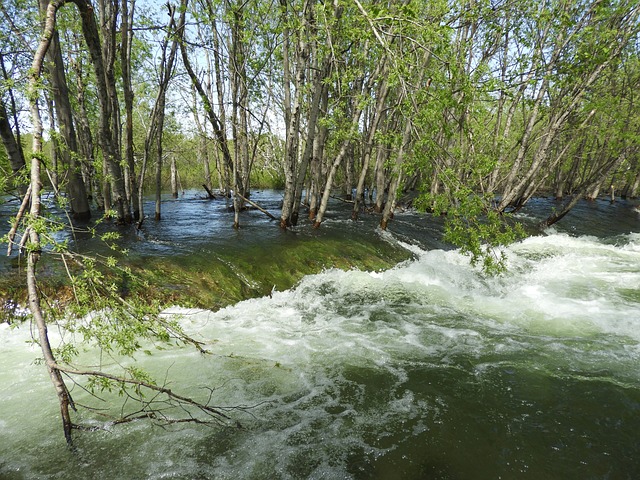
Preventing flood damage in Denver homes involves a combination of proactive strategies and expert knowledge to prepare for potential devastating floods. Given the region’s history with sudden and intense rainfall events, residents must take serious measures to safeguard their properties, especially basements, which are particularly vulnerable to flooding. A study by the National Weather Service reveals that Denver experiences an average of 20 inches of precipitation annually, with flash flood warnings issued over 50 times per year. This underscores the urgency for proactive home preparation.
One crucial strategy is implementing effective water drainage systems around your property. Experts in Denver flood repairs recommend installing proper downspout extensions and directing rainwater away from your foundation. Additionally, ensuring that gutters are clean and properly fastened can prevent overflows during heavy rains. Regular inspections and maintenance of these systems by professionals like Emergency Flood Restoration Denver are vital to ensure optimal performance when it matters most.
Another critical step is preparing your home’s interior for potential flooding. This includes installing water barriers in basements and lower levels, such as waterproof membranes and doors. Many experts in Denver flood repairs suggest elevating valuable items and electrical appliances to higher levels within the home. For instance, moving essential documents, electronics, and even some furniture to elevated platforms or upper shelves can significantly reduce damage during a flooded basement in Denver. Regularly updating and testing your home’s sump pump system is also vital, as it often serves as the first line of defense against rising water levels.
Lastly, having a comprehensive emergency plan and keeping emergency contact numbers readily available is indispensable. Residents should practice evacuation routes with their families and know when to call for help from experts in Denver flood repairs. Restoring homes after devastating Denver floods requires swift action, often within 24-48 hours to prevent mold growth and structural damage. By combining these proactive home preparation strategies, Denver residents can minimize the impact of flooding on their properties and quickly return to normalcy with the assistance of professionals like Emergency Flood Restoration Denver.
Emergency Response: Actions in Flooding

In the face of sudden flooding, immediate action is crucial to prevent extensive damage to Denver homes. When floodwaters rise, time is of the essence—a swift response can significantly mitigate the impact and reduce restoration costs. Emergency Flood Restoration Denver experts emphasize that the initial hours are critical for successful recovery. Homeowners should prioritize safety first, evacuating if necessary, and then take immediate steps to protect their property.
One key action is to turn off electricity at the main breaker or gas supply valve to prevent electrocution or explosions. After ensuring safety, homeowners can begin removing water from accessible areas using buckets or pumps. This initial step helps prevent mold growth and structural damage caused by standing water. It’s essential to act quickly; according to recent studies, water damage claims in Denver have risen steadily due to heavy rainfall events, highlighting the urgency of prompt action.
For severe flooding, it’s best to rely on Denver flood recovery specialists who can provide 24/7 emergency services. These professionals employ advanced equipment for efficient water extraction and drying, ensuring a faster return to your home. They also offer expert advice on mitigating water damage in flooded Denver homes, such as using moisture meters to identify hidden water sources. Restoring your Denver home after floods requires a multi-step process involving specialized cleaning, dehumidity treatments, and, in some cases, structural repairs. Engaging the services of experienced specialists ensures these critical steps are carried out effectively, minimizing long-term damage and health risks associated with floodwater.
Post-Flood: Restoration & Future Prevention

After a flood, immediate action is crucial for minimizing damage and preventing further losses. In Denver, where devastating floods can occur, swift and expert intervention is essential. Emergency Flood Restoration Denver services play a pivotal role in this process. These professionals are equipped to handle the complexities of post-flood restoration, ensuring homes are safely restored and future occurrences are mitigated.
The first step after a flood involves assessing the extent of damage. This includes identifying water sources, understanding water levels, and evaluating structural integrity. Once this is done, restoration experts can begin the process of drying, decontaminating, and repairing affected areas. Proper drying is critical to prevent mold growth, which can lead to health issues and further property damage. Denver’s humid climate adds an extra layer of challenge, making professional equipment and techniques indispensable.
Handling insurance after a Denver flood requires careful navigation. Homeowners should document all damage thoroughly and file claims promptly. Working with reputable Emergency Flood Restoration Denver providers can simplify this process. These professionals are familiar with insurance procedures and can guide homeowners through the complex web of claims and settlements. Choosing the right restoration pro is key; look for certified, experienced teams with a proven track record. Referrals from trusted sources or online reviews can be invaluable in this regard. Restoring homes after devastating Denver floods requires a multi-step approach that combines technical expertise, meticulous attention to detail, and effective communication. It’s not just about repairing damage; it’s about ensuring the safety and well-being of homeowners and safeguarding their investment for the future.
By understanding Denver’s unique flood risks and implementing proactive measures, homeowners can significantly reduce potential damage. Key insights include preparing emergency kits, securing valuable items, and ensuring proper drainage systems. In the event of flooding, a swift response is critical; this involves evacuating to higher ground, turning off utilities, and beginning rescue efforts. Post-flood, professional Emergency Flood Restoration Denver services are invaluable for comprehensive restoration and future prevention strategies. This article equips readers with the knowledge to protect their homes, offering practical steps to safeguard against Denver’s flood risks.