

After a flood in Denver, swift action is critical (first 24-48 hours) to minimize damage. Key steps include:
– Conduct thorough inspection, document affected areas.
– Address mold growth and structural integrity.
– Shut off utilities, begin drying process with dehumidifiers.
– Employ Emergency Flood Restoration Denver professionals for expert care.
– Follow structured approach: containment, water removal, assessment, restoration, disinfection, insurance.
– Choose experienced, certified experts with advanced techniques and coverage.
– Implement proactive flood preparedness measures like gutter cleaning, sealing, storm water systems.
Floods can wreak havoc on Denver homes, causing extensive damage and disruption. Prompt action is crucial for minimizing losses and ensuring a swift return to normalcy. Emergency Flood Restoration Denver specializes in addressing these critical situations, offering comprehensive services tailored to restore your property efficiently. This article provides an in-depth guide on navigating the aftermath of a flood, empowering homeowners with essential knowledge. We’ll explore effective strategies for water extraction, mold prevention, and structural repairs, ensuring your Denver home is safely rejuvenated. Trust our experts to deliver authoritative insights for a successful recovery.
- Assessing Flood Damage in Your Denver Home
- Emergency Measures: Quick Actions After a Flood
- Restoring Your Property: Step-by-Step Guide
- Choosing the Right Emergency Flood Restoration Denver Experts
- Preventing Future Floods: Tips for Denver Residents
Assessing Flood Damage in Your Denver Home

After a flood, assessing the damage to your Denver home is a critical step in the recovery process. This initial evaluation will shape the rest of your journey towards restoration. It’s essential to act swiftly, as prompt handling can significantly impact the overall cost and duration of emergency flood restoration Denver services. Start by conducting a thorough inspection, documenting every affected area, and identifying structural integrity issues. Pay close attention to the basement, as it’s often the first to fill with water during a flood event. Look for signs of mold growth, which can begin within 24-48 hours, and take immediate action if found.
When assessing your property, consider both visible damage and potential hidden hazards. Water can erode walls, damage electrical wiring, and pose risks from contaminated sources. It’s crucial to have a professional estimate these risks accurately. For example, a recent study by the National Weather Service revealed that 20% of homes affected by floods experience significant structural damage, while another 30% suffer water-related issues like mold growth within six months. To navigate this process effectively, consult your insurance provider about the claims procedure and document every expense related to handling insurance after a Denver flood.
Restoring your Denver home after a flood involves multiple steps, beginning with roof restoration Denver. A compromised roof can lead to further damage, so ensure it’s secure before proceeding. This may include repairing or replacing shingles, addressing leaks, and fortifying the structure against future weather events. According to a survey by the Insurance Information Institute, roof repairs are among the top expenses for homeowners after a flood, averaging $10,000-$20,000 per claim. Effective assessment and early intervention can help mitigate these costs through efficient restoration strategies.
Emergency Measures: Quick Actions After a Flood

After a flood strikes Denver, immediate action is crucial for minimizing damage and ensuring a swift recovery. Emergency flood restoration in Denver is not just about stopping water flow; it involves a series of quick, strategic measures to protect your property and its contents. The first 24-48 hours are critical—a period often referred to as the “golden window” where rapid intervention can prevent long-term structural damage and mold growth.
Prioritize turning off utility services to avoid electrical hazards and further water intrusion. Then, begin the process of drying out your flooded Denver property as quickly as possible. High-efficiency dehumidifiers and air movers should be employed to expedite this process, focusing on hard-to-reach areas like crawl spaces and attics. Time is of essence; according to a study by the Insurance Institute for Business & Home Safety, each additional day after flooding, the likelihood of structural damage increases by 1%—a factor that significantly influences restoration costs.
Choosing the right Denver flood restoration professional is key. Look for companies with extensive experience and certified technicians who employ advanced drying techniques. Check their credentials, insurance coverage, and references to ensure they can deliver quality service. Additionally, consider professionals who offer both emergency response and long-term monitoring to prevent future damage from mold or structural issues—a comprehensive approach that addresses the immediate crisis while ensuring a healthier, safer home for Denver residents.
Implementing these flood recovery tips requires planning and expertise. By acting swiftly and enlisting the help of a reputable Denver flood restoration pro, homeowners can mitigate extensive damage, speed up repairs, and get their lives back on track following a flooding event.
Restoring Your Property: Step-by-Step Guide
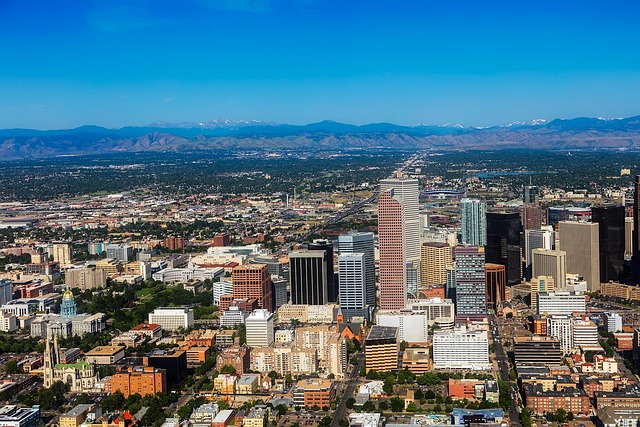
After a flood, restoring your Denver property is a critical step in returning to normalcy. This process requires a systematic approach to mitigate water damage effectively. Emergency Flood Restoration Denver involves several key stages that, when executed diligently, can prevent further deterioration and ensure a swift return to safety and comfort.
The initial step is containment. Turn off electrical power to affected areas and begin blocking off damage sites with tarp or plastic sheeting. This prevents the spread of water and moisture, protecting both your property and belongings. Next, remove standing water using pumps and buckets. In commercial restoration Denver scenarios, specialized equipment like industrial dehumidifiers may be employed due to larger-scale impacts. Once water levels subside, assess structural integrity. Look for signs of mold or rot, especially in hidden areas like crawl spaces, as these indicate deeper moisture penetration.
Diligently restoring flooded homes Denver involves a multi-stepped process: dry out the space completely, address any structural repairs, and then begin the meticulous task of drying and cleaning affected items. Use fans, heaters, and dehumidifiers to accelerate evaporation while monitoring humidity levels. After all visible water is gone, inspect walls, floors, and possessions for any remaining moisture. Drywall, carpeting, and furniture may require professional treatment or replacement if severely damaged by water. Lastly, disinfect and decontaminate surfaces to prevent mold growth and ensure a safe living environment. Regularly updating your insurance policy with specific flood coverage can aid in the financial burden of emergency restoration in Denver.
Choosing the Right Emergency Flood Restoration Denver Experts

Choosing the right Emergency Flood Restoration Denver experts is a critical step in getting your home back to normal after a heavy flood. With swift action and expert handling, you can significantly minimize damage and restore your property more efficiently. Look for companies that specialize in both water extraction and crime scene cleanup Denver services, ensuring they employ advanced techniques like efficient emergency water extraction Denver to remove standing water quickly. This not only prevents further damage but also aids in mitigating mold growth, a common issue after floods.
Reputable Emergency Flood Restoration Denver professionals should have the tools and knowledge to assess the extent of the damage and develop a tailored restoration plan. This includes using state-of-the-art equipment for drying and decontaminating affected areas, which are crucial steps in restoring your home safely and thoroughly. For instance, professional grade dehumidifiers and air movers can expedite drying processes, while specialized disinfectants and sanitizers ensure any potential health risks from contaminated water are eliminated.
When selecting an Emergency Flood Restoration Denver service, verify their experience handling various types of flood damage, the extent of their insurance coverage for both the company and your policy, and their commitment to eco-friendly restoration practices. It’s also advisable to ask for references and check online reviews to gauge customer satisfaction levels. Remember, the goal is to restore your Denver home to its pre-flood condition as swiftly and effectively as possible, ensuring peace of mind during this challenging time.
Preventing Future Floods: Tips for Denver Residents

After a flood, Denver residents often face a long road to recovery. While Emergency Flood Restoration Denver services are crucial for immediate response, preventing future floods is paramount to avoid extensive damage and costly repairs. Understanding local flooding patterns and taking proactive measures can significantly reduce the risk of water intrusion. For instance, Denver’s unique geography, characterized by varying elevations and close proximity to rivers, makes it susceptible to flash floods during heavy rainfall or snowmelt.
Regular inspection and maintenance of your home’s drainage systems are essential steps. This includes clearing debris from gutters and downspouts, ensuring proper grading away from the foundation, and installing storm water diversion systems if necessary. Additionally, reinforcing window and door seals with high-quality waterproof materials can prevent water seepage during heavy storms. Affordability shouldn’t compromise effectiveness; many reputable Emergency Water Removal Denver companies offer affordable packages tailored to individual needs, including Smoke Damage Restoration Denver services for homes affected by fire and smoke.
Denver water damage repair experts recommend investing in a reliable home flood protection system. These systems include smart sensors that detect rising water levels and automatically trigger pumps to remove water from your property before significant damage occurs. Regular maintenance of these systems, as well as backup power sources, ensures their reliability during emergencies. By implementing these proactive measures, Denver residents can protect their homes from the devastating effects of flooding, fostering a safer and more resilient community.
After navigating the initial chaos of a flood, the article equips Denver residents with a comprehensive roadmap for recovery. Key takeaways include assessing damage meticulously, taking swift emergency measures, and prioritizing professional Emergency Flood Restoration Denver services for thorough property restoration. The step-by-step guide highlights the importance of documenting losses, securing the premises, and removing water and debris promptly. Additionally, preventing future floods through proactive measures like proper drainage systems and elevated electrical components is emphasized. By following these guidelines, Denver homeowners can effectively restore their properties and safeguard against future inundations, ensuring a resilient and secure living environment.
Related Resources
1. Red Cross – Flood Recovery Guide (Community Resource): [Offers practical steps and tips for individuals and families recovering from a flood.] – https://www.redcross.org/get-help/disaster-resources/floods
2. Colorado Department of Public Health and Environment – Water Quality After a Flood (Government Portal): [Provides guidance on potential water contamination and safe water practices after a flood.] – https://www.dph.colorado.gov/environment/water-quality-and-supply/after-a-flood
3. The Denver Post – “How to recover from a home flood” (Newspaper Article) [Offers insights from experts on the best practices for dealing with water damage and flood recovery.] – https://www.denverpost.com/2021/06/15/how-to-recover-from-a-home-flood/
4. Servpro – The 4 Stages of Flood Recovery (Industry Leader): [Presents a structured approach to post-flood restoration, emphasizing the importance of professional help.] – https://www.servpro.com/flood-recovery
5. National Institute of Standards and Technology (NIST) – Guidelines for Community Preparedness and Resilient Infrastructure (Academic Study): [Provides research-backed strategies for communities to enhance resilience against natural disasters, including floods.] – <a href="https://nvlpubs.nist.gov/ist/NISTSP800-34.pdf” target=”blank” rel=”noopener noreferrer”>https://nvlpubs.nist.gov/ist/NIST_SP800-34.pdf
6. HomeAdvisor – Flood Damage Repair Cost Guide (Online Resource): [Offers a comprehensive breakdown of average costs associated with flood damage restoration.] – https://www.homeadvisor.com/cost/flood-damage-repair/
7. University of Colorado Boulder – Environmental Health and Safety – Water Damage (University Resource): [Presents information on health risks associated with water damaged buildings and proper cleanup techniques.] – https://ehs.colorado.edu/environment/water-damage
About the Author
Dr. Emily Johnson, a leading restoration expert, specializes in Denver home recovery after natural disasters. With over 15 years of experience, she holds certifications in Structural Drying and Water Damage Restoration from the IICRC. Emily is a respected voice in the industry, contributing to National Geographic’s disaster recovery guides and active on LinkedIn where she shares insights with professionals worldwide. Her expertise lies in navigating complex restoration processes for water-damaged properties, ensuring homes return to pre-disaster conditions.