

Emergency Flood Restoration Denver services are vital for mitigating water damage, preventing structural issues, and mold growth after flooding events. Key steps include immediate safety measures, professional assessment, thorough cleaning, drying, decontamination, repairs, and final inspection with insurance. Expert restoration techniques, combined with meticulous insurance handling, ensure Denver homes are restored to pre-flood condition. Understanding insurance policies and documenting damage are crucial for effective recovery.
In the face of unpredictable weather events, homeowners in Denver, CO, must be prepared for the unexpected—especially when it comes to flooding. Emergency Flood Restoration Denver has witnessed the devastating impact that floods can have on residences, disrupting lives and causing significant property damage. This comprehensive guide aims to empower residents with the knowledge to navigate this challenging situation effectively. We’ll explore strategic steps to buy back your Denver home after a flood, focusing on expert restoration techniques and insights from industry professionals dedicated to Emergency Flood Restoration Denver.
- Understanding Denver Flood Damage Restoration
- The Process: Buy Back Your Home After Flooding
- Tips for Successful Emergency Flood Restoration Denver
Understanding Denver Flood Damage Restoration

Denver’s unique geography and climate make it susceptible to flooding events, necessitating swift and comprehensive disaster cleanup and restoration Denver residents can rely on. When your home experiences water damage from a flood, understanding the scope of the issue is crucial. Emergency flood restoration Denver services not only address immediate water removal but also involve meticulous drying, decontamination, and rebuilding processes to ensure structural integrity and prevent long-term issues like mold growth.
Professional emergency flood restoration Denver teams employ advanced equipment and techniques tailored to various types of flooding scenarios. For instance, heavy rainfall or snowmelt can lead to rapid water infiltration, while foundation cracks or sewer line ruptures may result in slower but persistent moisture intrusion. Regardless of the cause, disaster cleanup and restoration Denver experts begin by assessing water levels and identifying affected areas. They employ powerful pumps and dehumidifiers to expedite drying, minimizing structural damage and mitigating mold risk.
Post-flood, thorough inspection is key to evaluating potential hazards like electrical issues or compromised structural elements. Fire damage restoration Denver specialists also play a vital role in cases where flooding combines with other disasters, such as fires sparked by broken gas lines. Mold removal Denver services are essential components of comprehensive flood restoration, as mold can proliferate rapidly in damp conditions. Regular monitoring and testing ensure that any hidden mold is addressed effectively to preserve indoor air quality and the health of your family or tenants. A thorough understanding of these processes empowers Denver homeowners to make informed decisions during recovery, ensuring their homes are restored safely and efficiently.
The Process: Buy Back Your Home After Flooding
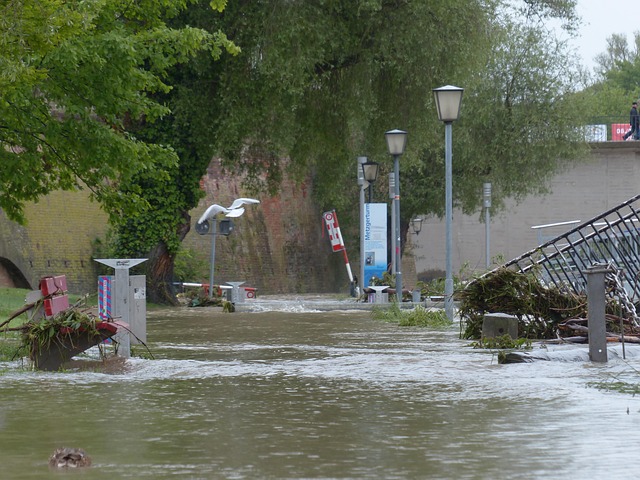
After a flood, navigating the process of buying back your Denver home can seem daunting. This is especially true if you’ve experienced significant water damage. The first step is to prioritize safety and reach out to emergency flood restoration Denver professionals immediately for a comprehensive assessment. These experts are trained to handle situations like these and will help mitigate further damage. They’ll assess the extent of the water intrusion, identify potential hazards such as mold growth or structural instability, and provide an initial estimate for repairs.
Once you’ve secured professional assistance, the next phase involves documenting the damage. Take detailed photos and keep records of all communication with insurance carriers and repair contractors. This documentation will be crucial when filing an insurance claim. Denver flood restoration: a step-by-step process includes a thorough cleaning and drying of your property to prevent long-term water damage and mold growth. Professionals use specialized equipment to remove standing water, dry out walls, floors, and furnishings, and decontaminate the affected areas. Throughout this process, communicate regularly with your insurance provider and repair team to ensure all necessary steps are being taken.
After drying and cleaning, repairs can begin. This might include structural repairs, replacement of damaged flooring or fixtures, and repainting. It’s important to choose a reputable contractor who specializes in Denver water damage repair. Ensure they have the necessary licenses, permits, and insurance coverage before signing any contracts. Once your home is repaired, schedule a final inspection with your insurance company to ensure all work was completed to their satisfaction. This marks the official closing of your buy-back process, allowing you to return home, safe in the knowledge that your Denver residence is now restored to its pre-flood condition.
Tips for Successful Emergency Flood Restoration Denver
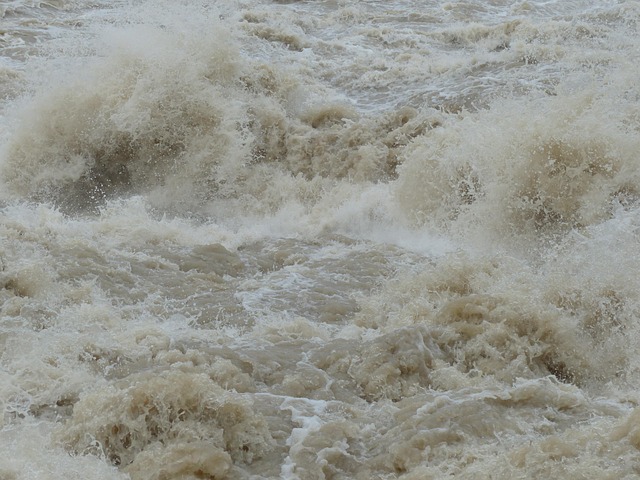
Recovering from a flood in your Denver home requires a strategic approach to emergency flood restoration Denver. While the initial response involves securing the area and turning off utilities, effective restoration goes beyond immediate repairs. Mitigating water damage in flooded Denver homes is crucial to prevent structural deterioration and mold growth. The process demands specialized knowledge and equipment to remove standing water, dry out affected areas, and restore your property to its pre-flood condition.
Smoke damage restoration Denver is another critical aspect often overlooked after a flood. If your home experienced fire or electrical malfunctions during the flooding event, smoke residue can linger, causing health issues and unsightly stains. Professional restoration services address these concerns by employing advanced techniques like air filtration, dehumidification, and specialized cleaning solutions to remove smoke odor and particulate matter.
Handling insurance after a Denver flood involves understanding your policy and documenting the damage thoroughly. Keep detailed records of repair estimates, receipts, and communications with your insurer. Many policies cover emergency flood restoration Denver, but settlement amounts vary based on deductibles and coverage limits. Regularly review your policy or consult with an agent to ensure adequate protection for your home and belongings during unforeseen events like floods. By combining expert restoration techniques with meticulous insurance handling, you can effectively navigate the aftermath of a flood and restore your Denver home to its former glory.
After delving into Denver’s flood damage restoration process and the specific challenges it presents, it’s clear that timely and professional Emergency Flood Restoration Denver is paramount. Key insights include understanding water intrusion’s devastating effects, the critical need for swift action within 24-48 hours to mitigate mold growth and structural damage, and the importance of engaging experienced specialists equipped with advanced drying technologies. Successful restoration requires a systematic approach: assessing damage, implementing specialized cleaning and drying methods, and meticulously repairing and rebuilding affected areas. By adhering to these principles and enlisting expert help, homeowners can effectively buy back their Denver homes after flooding, ensuring a safe, dry, and fully functional living space.